🌱 Farm to School at AACIValues Statement: At Arlington Area Childcare, our Farm to Early Childhood mission is to cultivate lifelong healthy habits and a meaningful connection to the natural world through joyful, play-based experiences rooted in community and sustainability. Through gardening, local food, nutrition education, and integrated outdoor exploration woven into our curriculum, we nurture and support the whole child’s development.
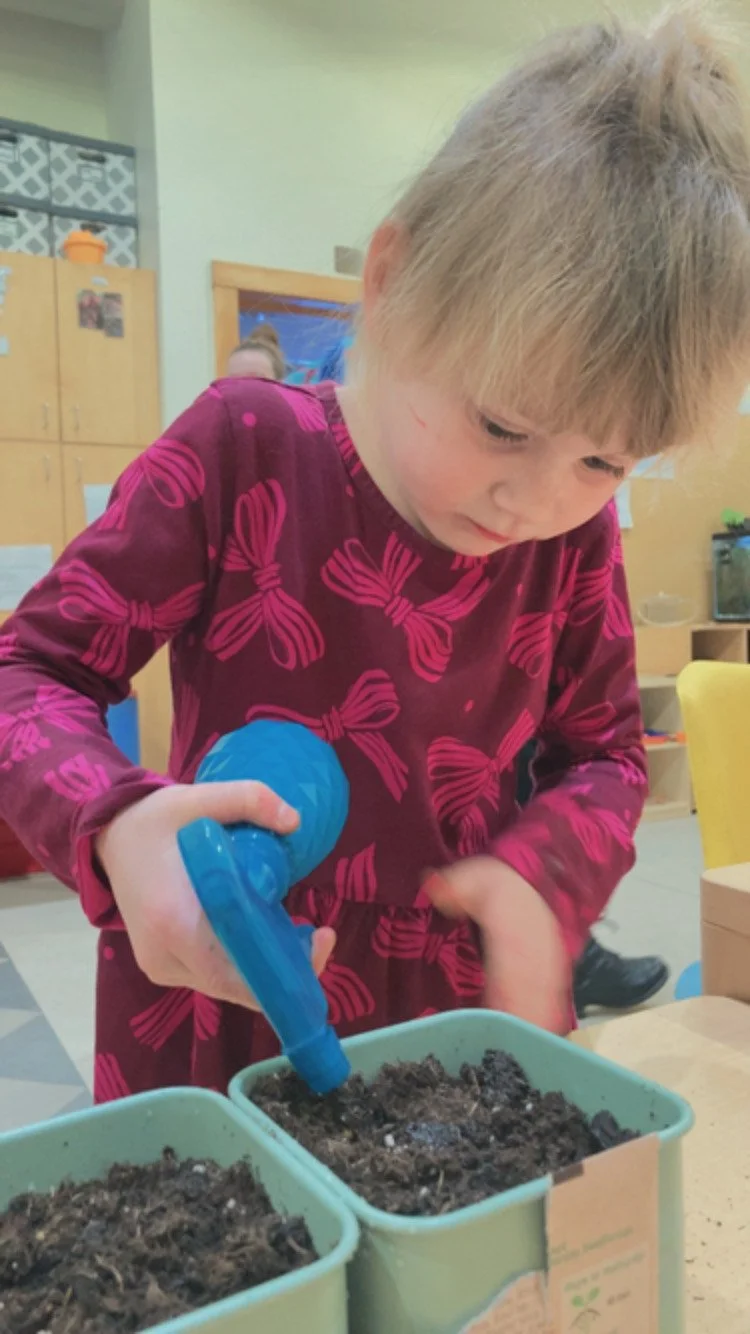
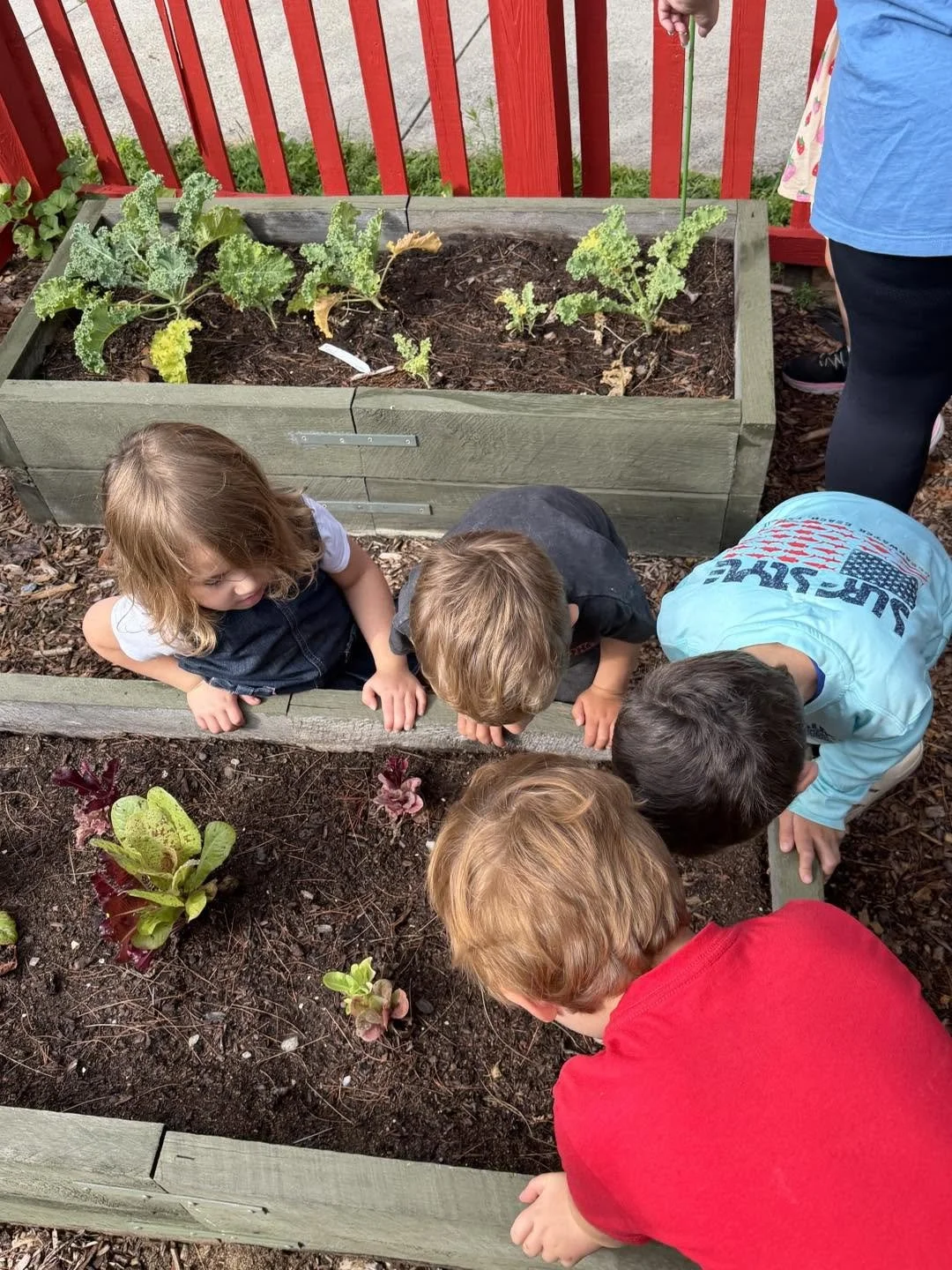
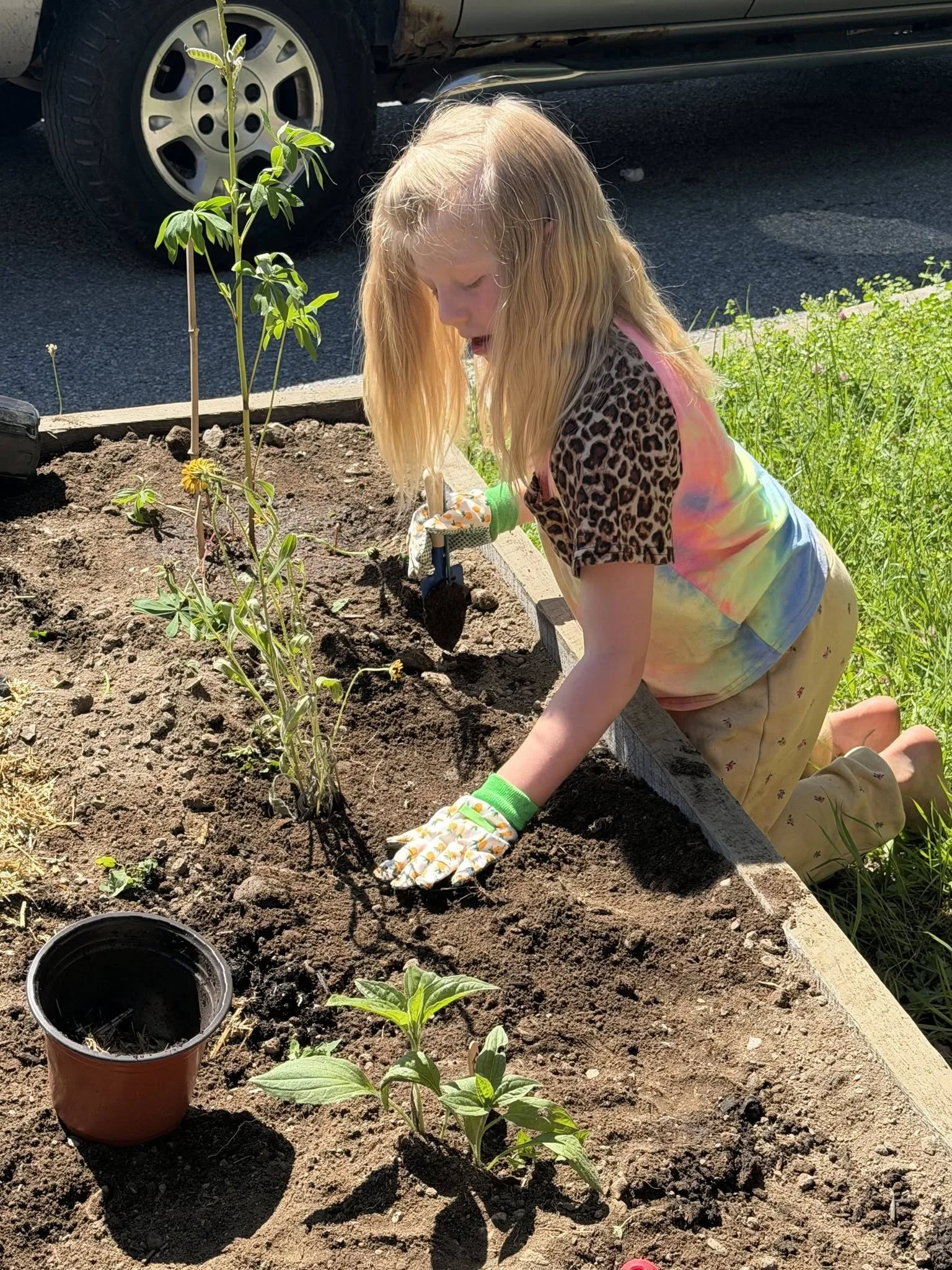
Growing Food. Growing Minds. Growing Community.At Arlington Area Childcare, Farm to School isn't a special activity we do once in a while—it's part of our everyday life.Inspired by our participation in the Northeast Farm to School Institute at Shelburne Farms, we have intentionally woven food, gardening, agriculture, cooking, nature, and community into our play-based curriculum.Children don't just learn about where food comes from.They experience it.🌱 They plant it.
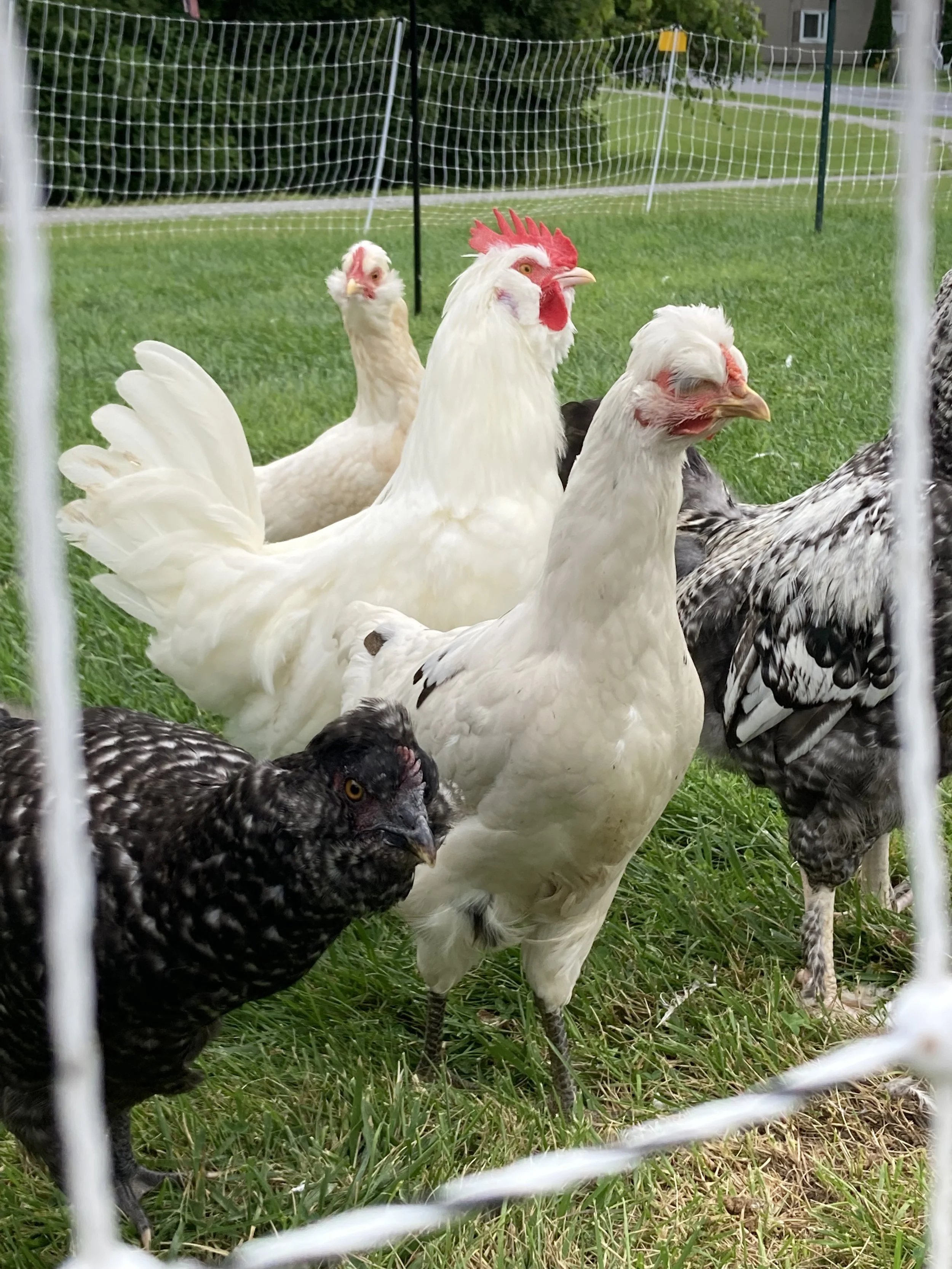
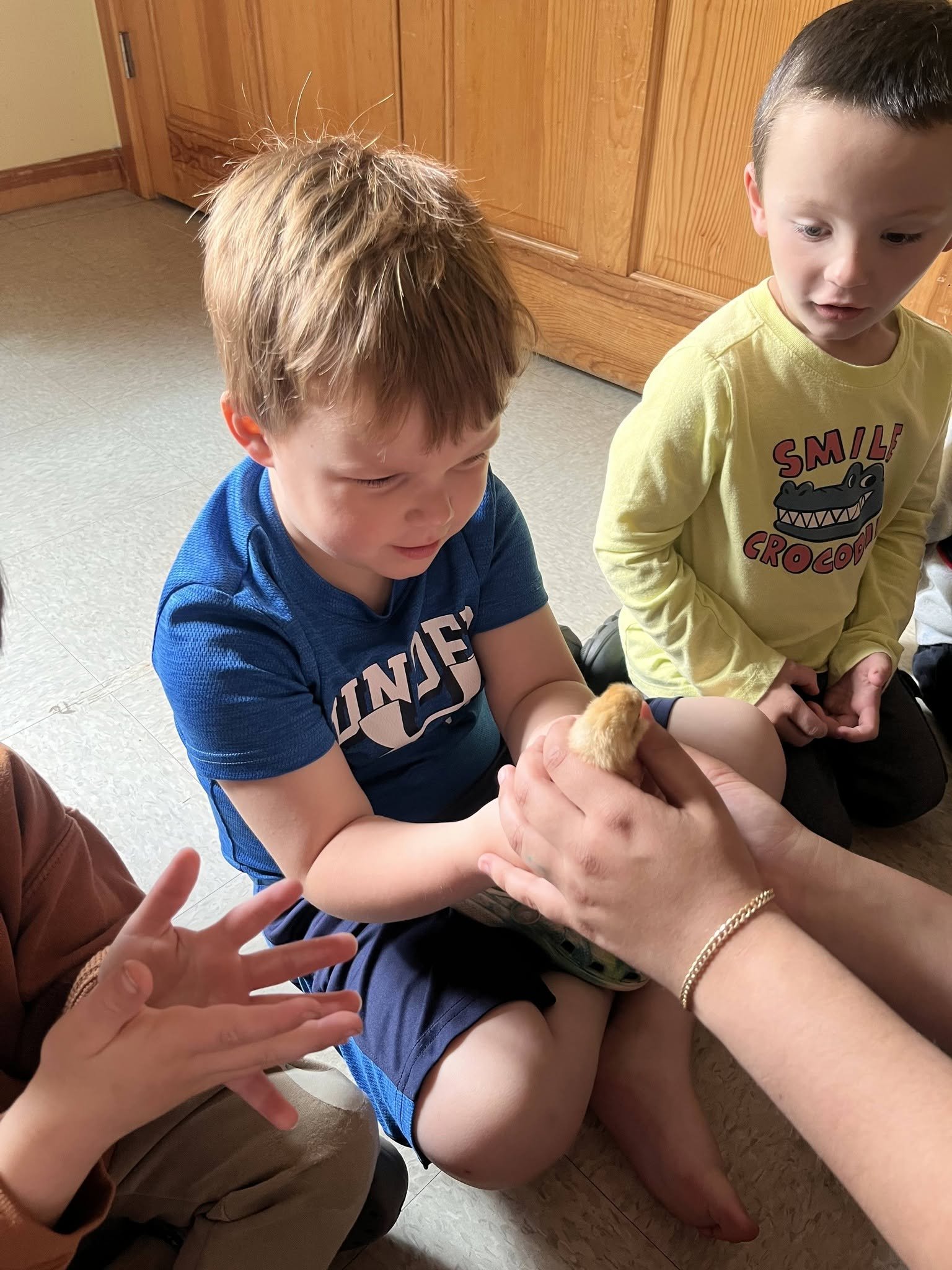
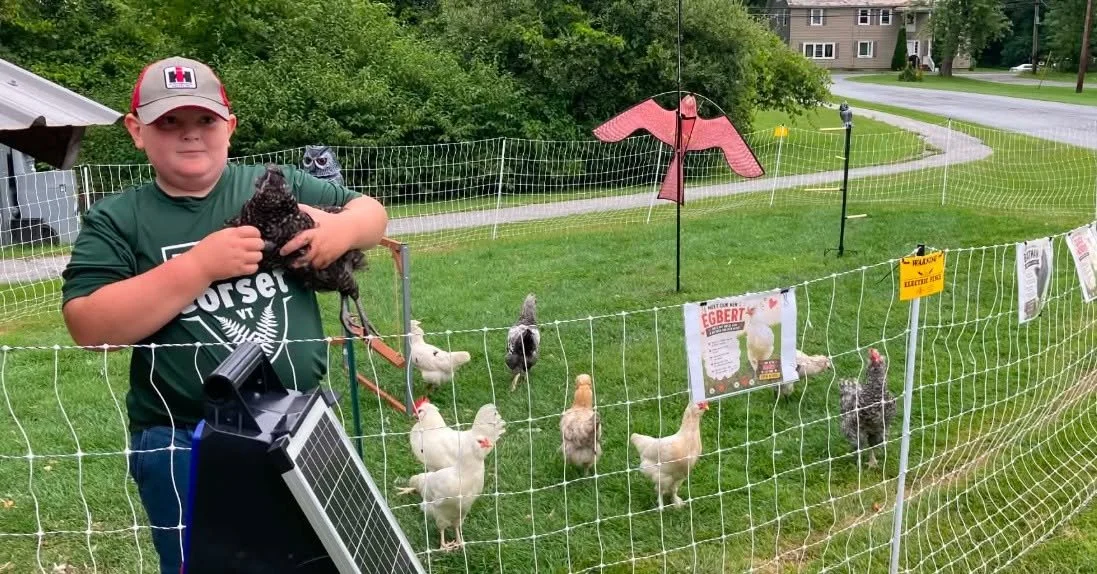
🐓 They care for it.
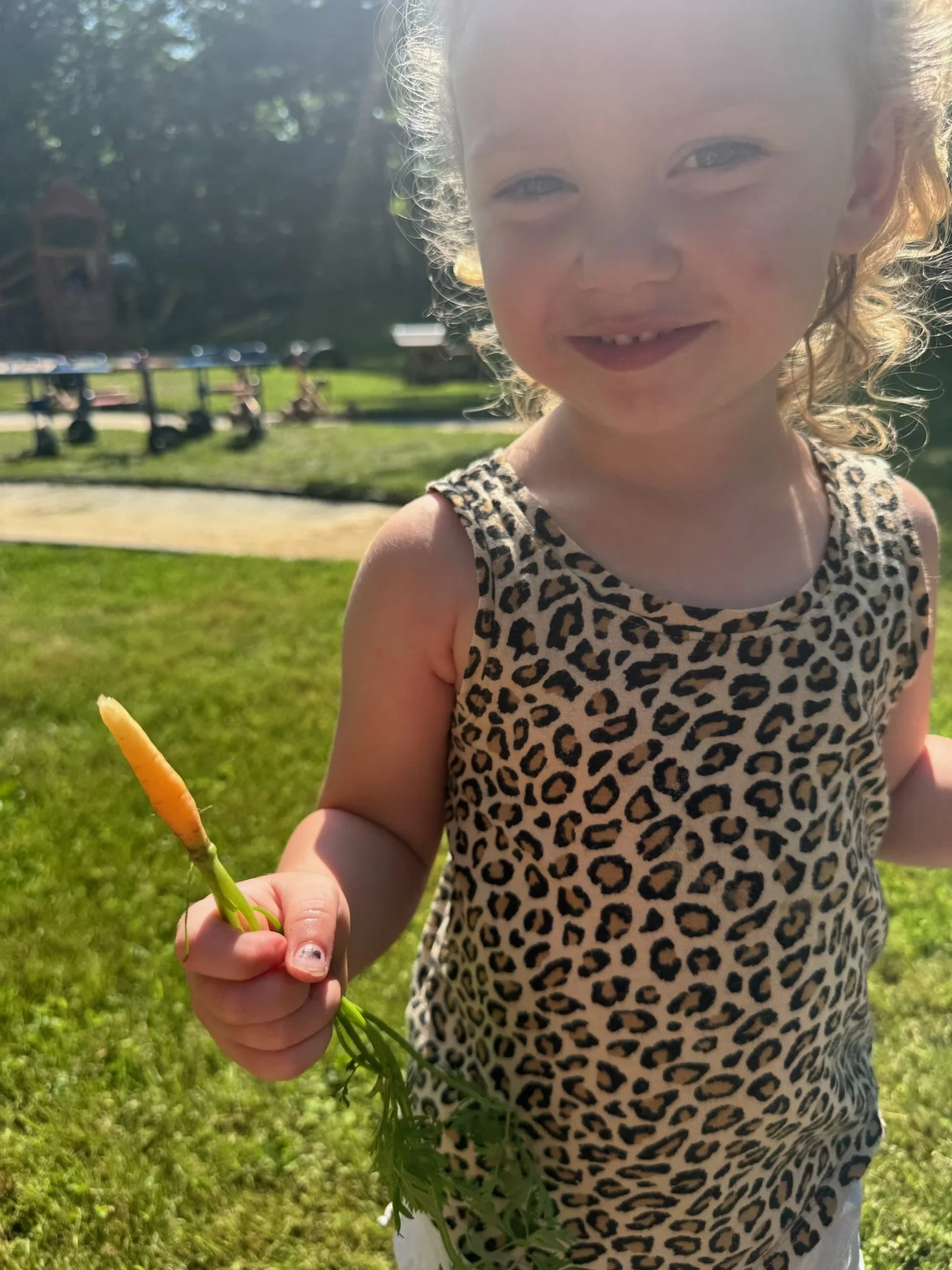
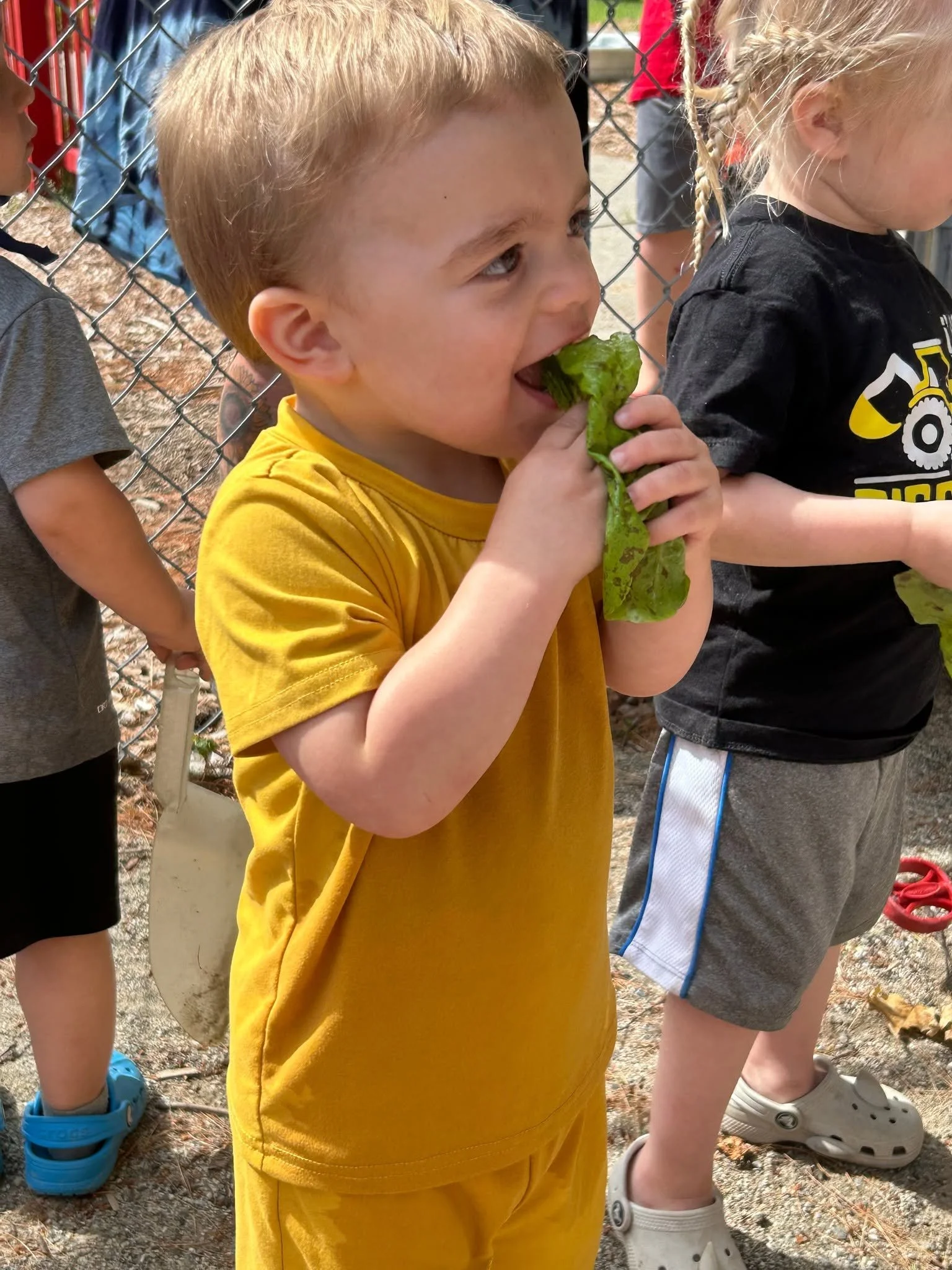
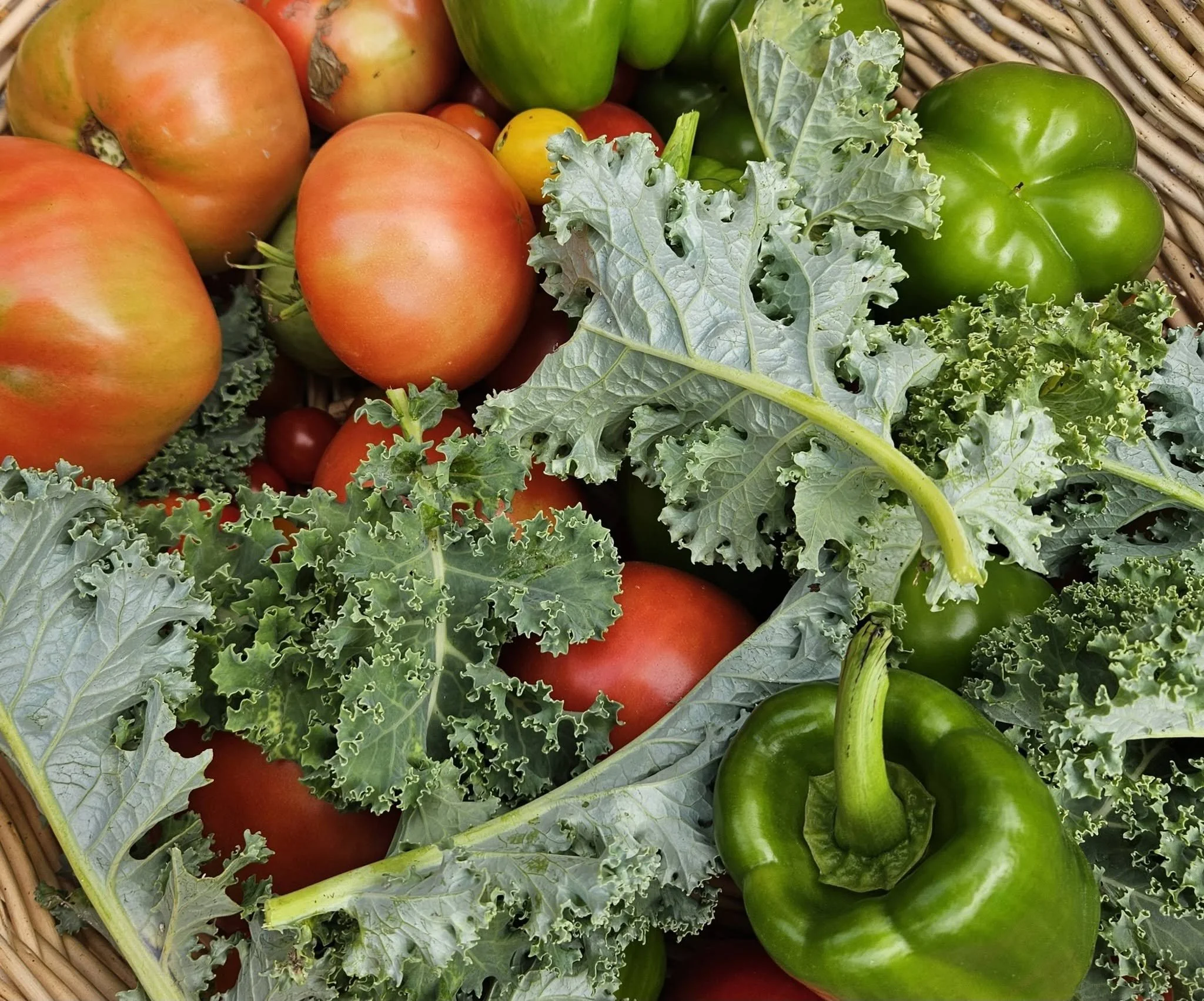
🥕 They harvest it.
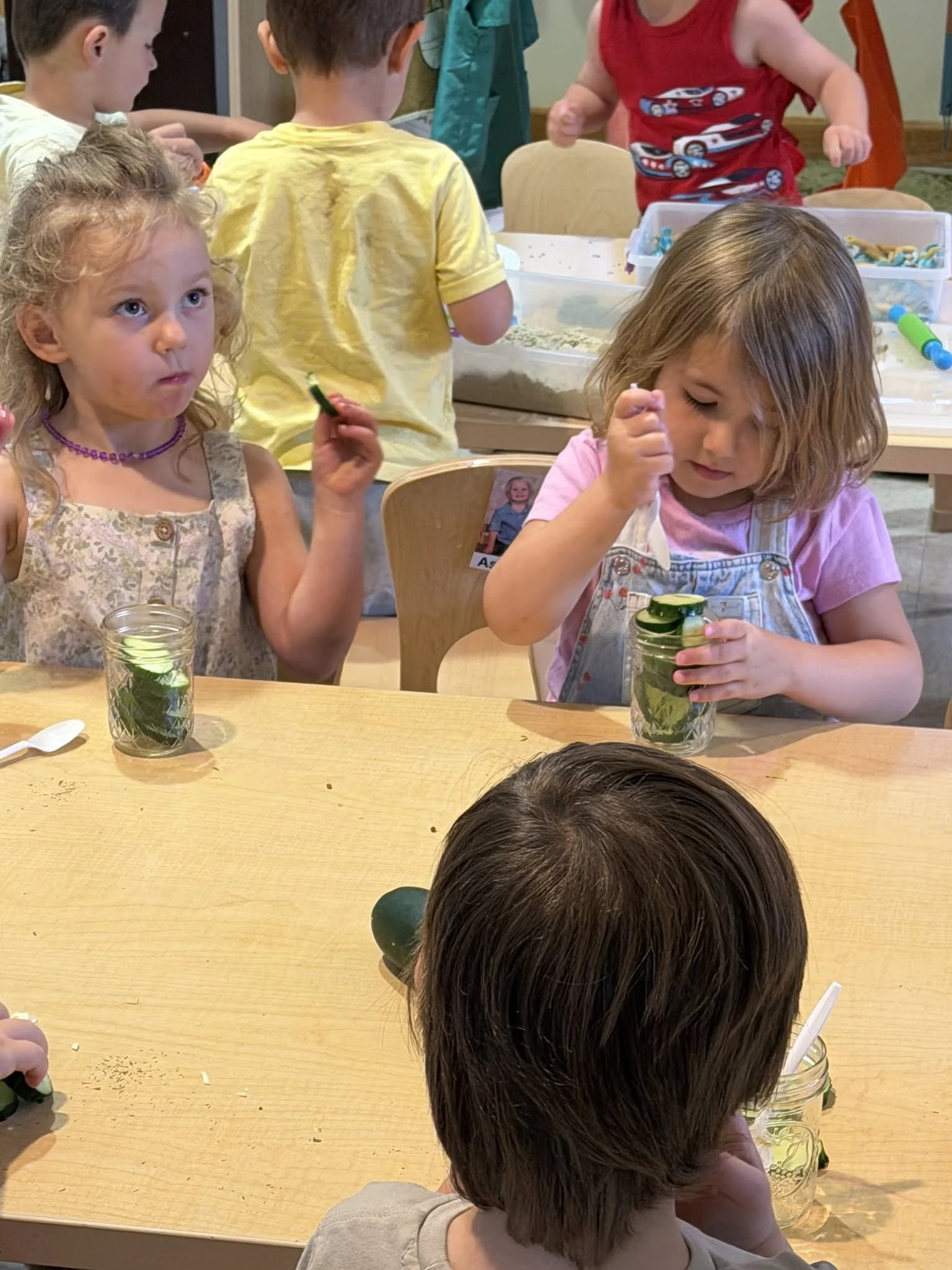
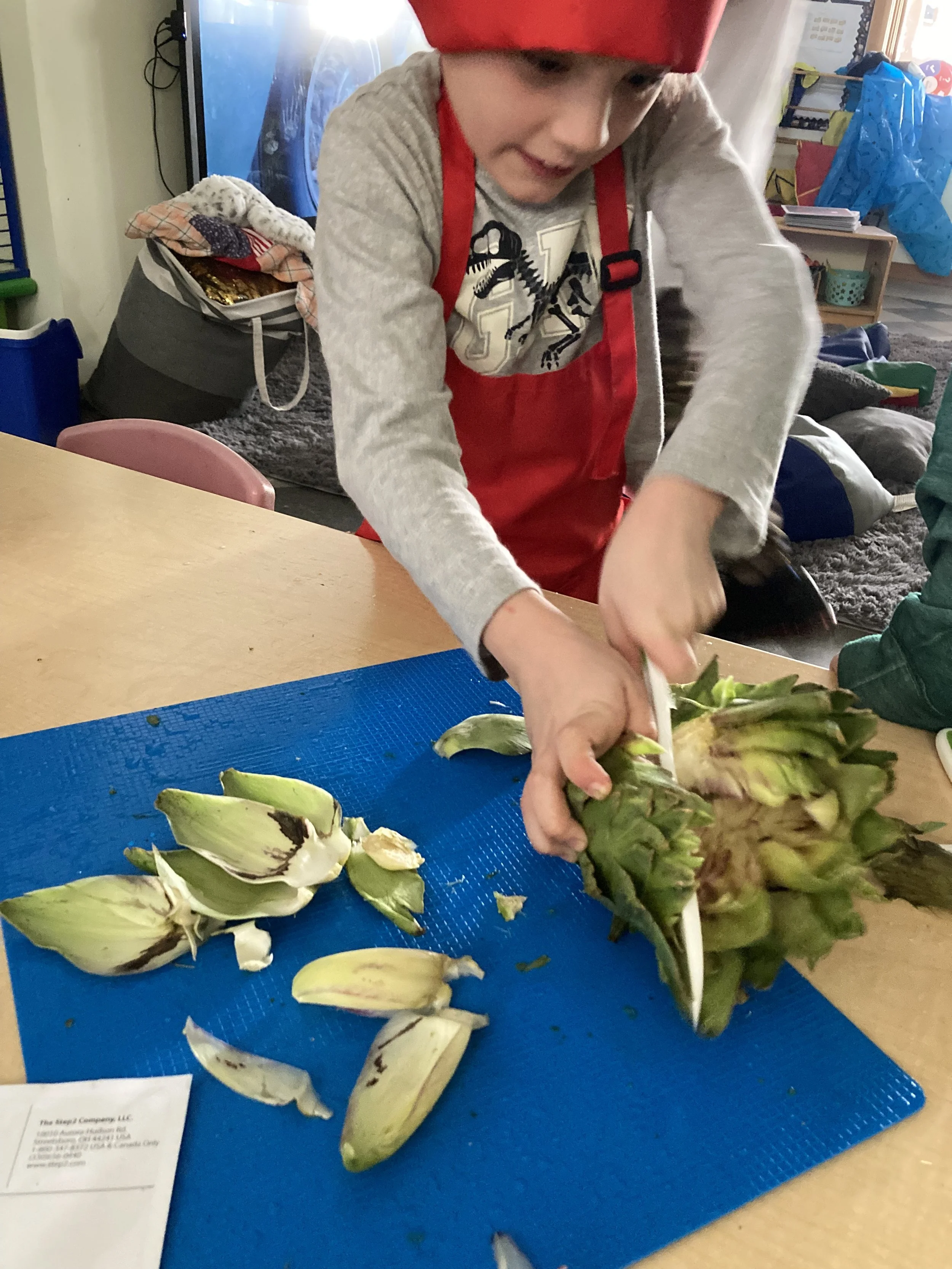
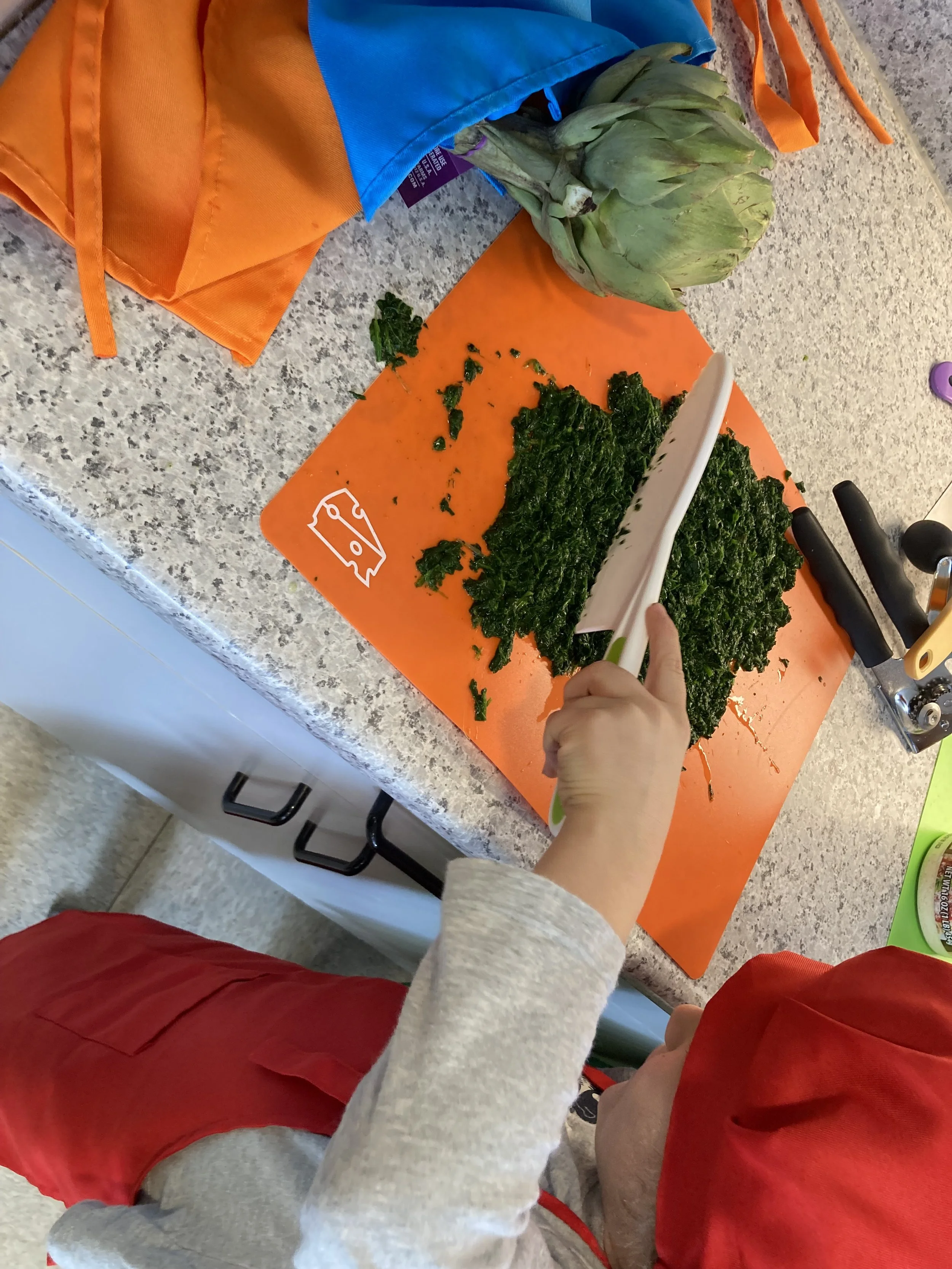
👩🍳 They cook it.
🍽️ They eat it together.
🔎 And they learn through every step.🌻 Our Garden Is a ClassroomOur on-site gardens give children opportunities to plant seeds, water, investigate insects and pollinators, observe changes, harvest vegetables and taste foods they helped grow.A garden experience naturally becomes curriculum:Counting seeds builds math skills.
Watching plants grow introduces science.
Reading garden stories strengthens literacy.
Digging and harvesting develop motor skills.
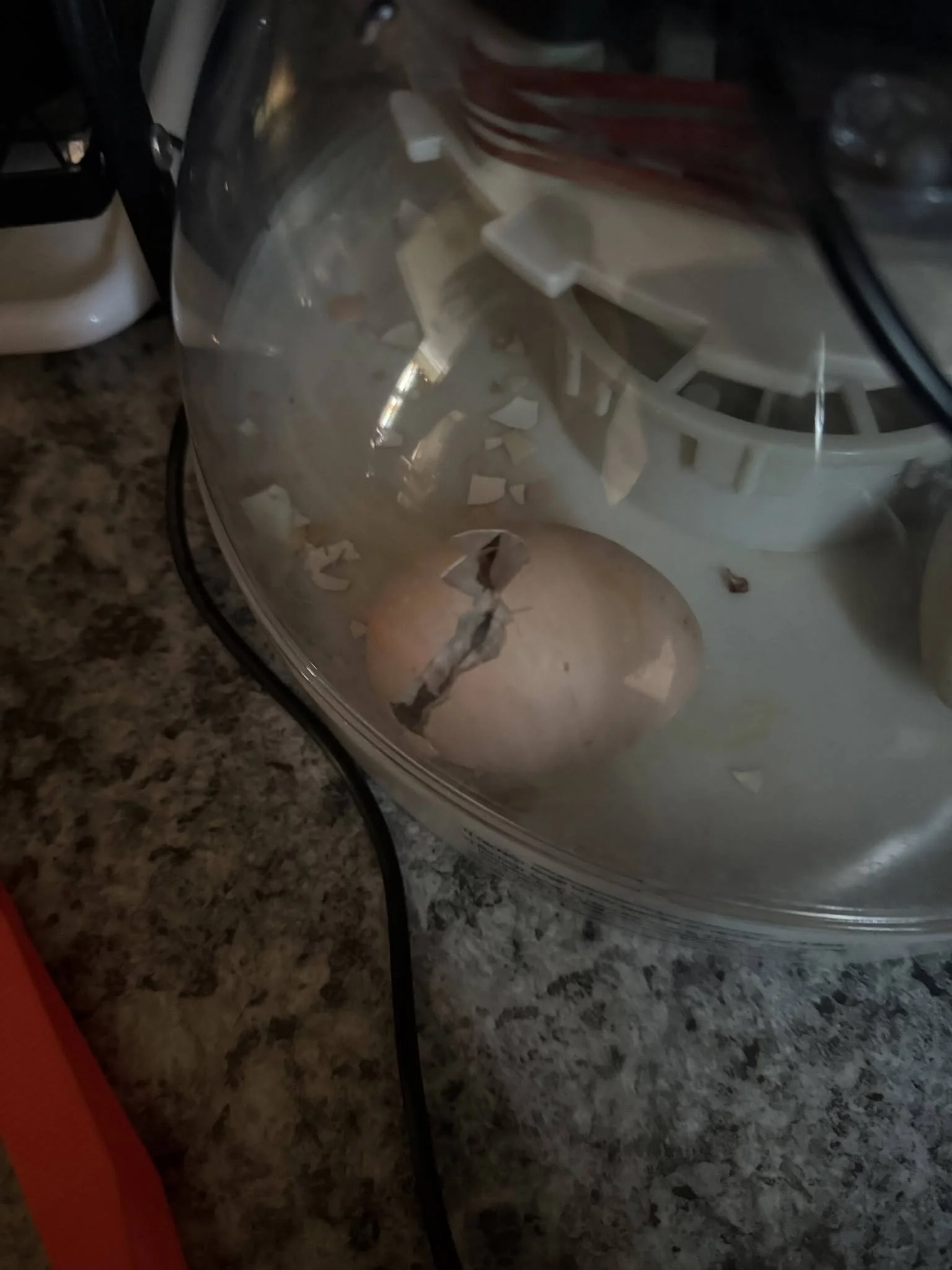
Sharing tools builds cooperation.The learning is authentic because children are actively participating in it.🐓 Learning With Our ChickensOur AACI chickens have become an important—and very loved—part of our Farm to School program.Children participate in age-appropriate animal care, observe chicken behavior, collect eggs and investigate questions about animals and food.Along the way, they develop responsibility, empathy, patience, curiosity and respect for living things.A child's simple question about an egg can become a science investigation, a story, an art project or days of imaginative play.👩🍳 From Garden to KitchenThrough our own Cooking with Cole curriculum, children participate in hands-on cooking and food exploration.They measure, pour, mix, prepare, and taste while building skills in math, science, literacy, fine motor development, independence, and cooperation.We've made strawberry chia jam, explored corn, prepared seasonal foods, participated in taste tests and used fresh ingredients to turn food into meaningful learning experiences.🍎 Fresh Food Is Part of the DayBreakfast, lunch and snacks are prepared on site and included in care at AACI.Our food service program follows CACFP nutritional guidelines while incorporating fresh, seasonal and locally sourced foods whenever possible.Through our gardens, local farms, CSA relationships and community partnerships, we help children make the connection:FARM → GARDEN → KITCHEN → TABLEFood isn't simply something we serve. It is another opportunity to learn.📚 Farm to School Meets VELSOur teachers intentionally connect Farm to School experiences with the Vermont Early Learning Standards (VELS) and children's individual developmental needs.Children develop:🔢 Mathematics — counting, measuring, sorting and comparing
🔬 Science — plants, animals, weather, soil and life cycles
📖 Language & Literacy — recipes, books, vocabulary and storytelling
❤️ Social-Emotional Skills — responsibility, patience, empathy and teamwork
✋ Physical Development — planting, digging, pouring, stirring and harvesting
🧠 Approaches to Learning — curiosity, persistence, prediction and problem-solving🧩 Play-Based. Child-Led. Teacher-Supported.Our educators use children's natural curiosity to scaffold learning.If a child discovers a worm in the garden, we don't stop at, “That's a worm.”A teacher might ask:Where does it live? What does it eat? Why do you think it's in our garden?Books, magnifying glasses, compost investigations or dramatic play may follow.Teachers build on what children already know and provide the next question, material or experience to deepen their thinking.That's intentional, play-based learning.🌎 Classroom • Cafeteria • CommunityOur Farm to School philosophy connects the three important Cs:CLASSROOM — hands-on, play-based learning
CAFETERIA — nutritious food, cooking and positive mealtime experiences
COMMUNITY — gardens, farms, families and local partnershipsFrom our youngest infants experiencing new tastes and textures to our school-age children cooking, gardening and investigating food systems, every child can participate at their own developmental level.💚 More Than a ProgramWhat began as a vision at Shelburne Farms has grown into part of the culture of Arlington Area Childcare.Our children grow food, care for chickens, cook, explore nature, try new foods, ask questions and share meals together.They may not realize they are practicing science, mathematics, literacy, social-emotional development and problem-solving.They simply know they're learning, playing and having fun.🌱 At AACI, Farm to School isn't something we add to children's education.It's one of the ways we bring their education to life.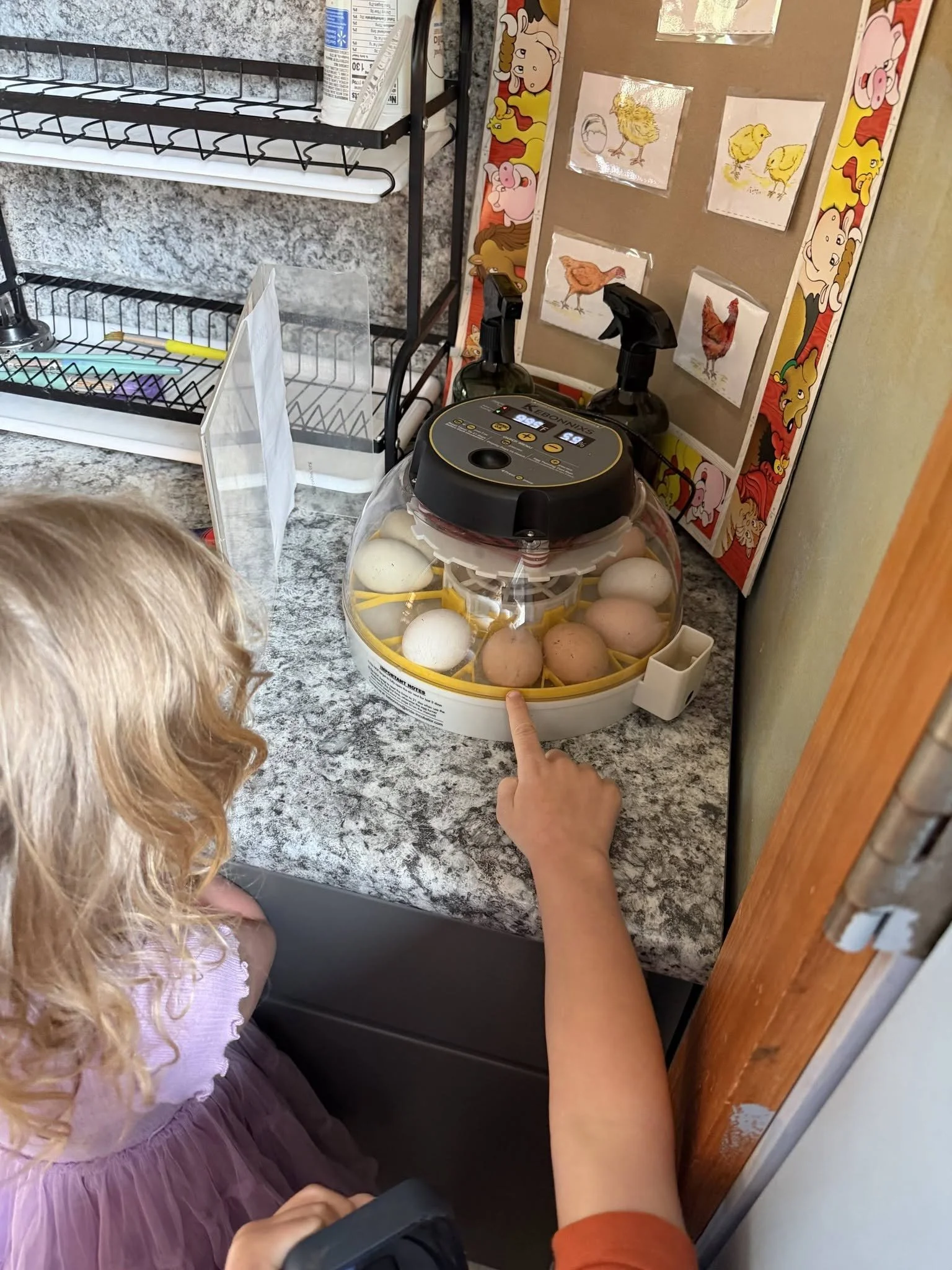
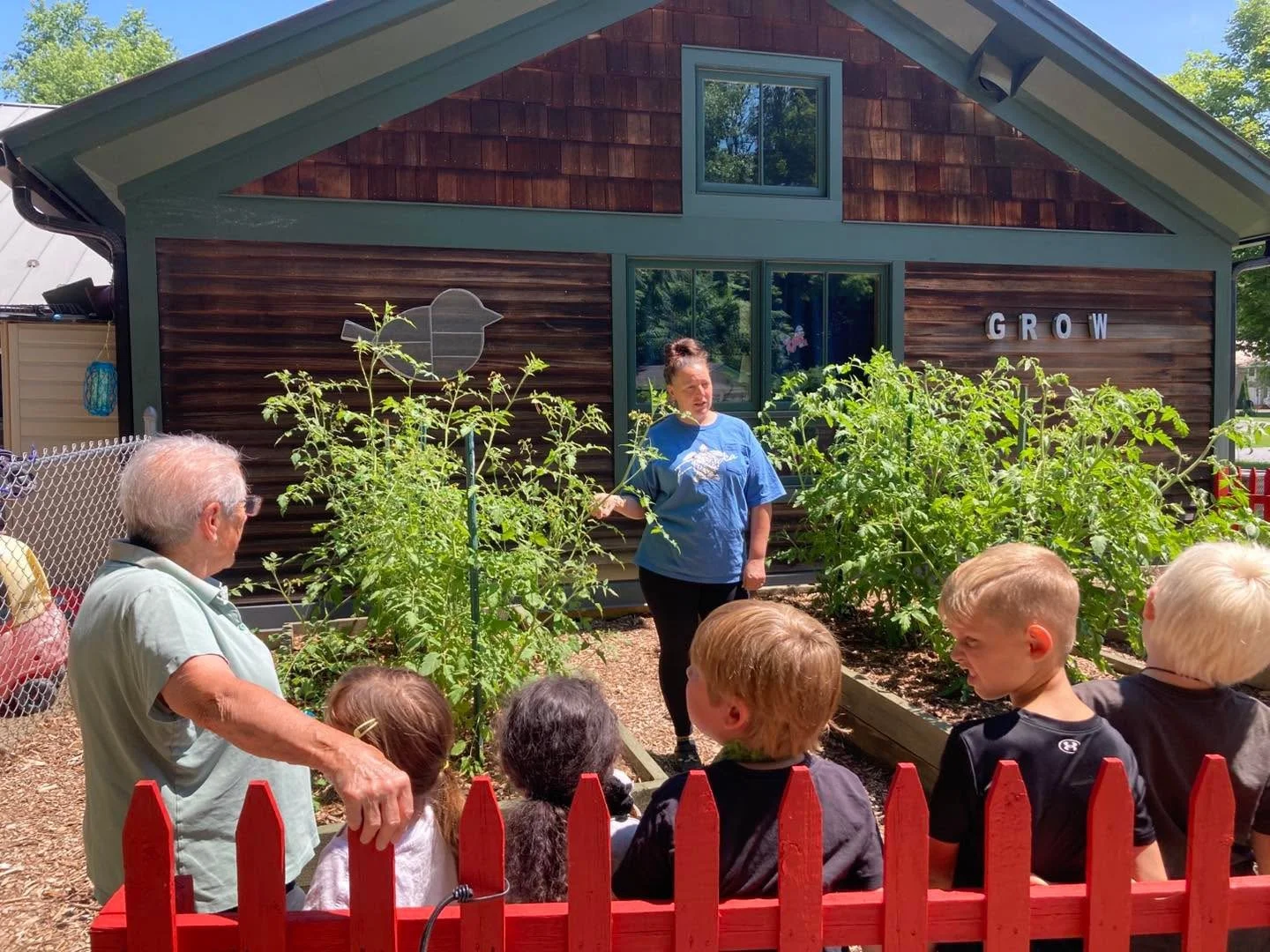
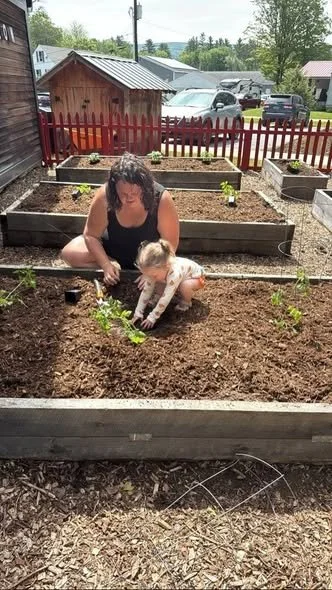
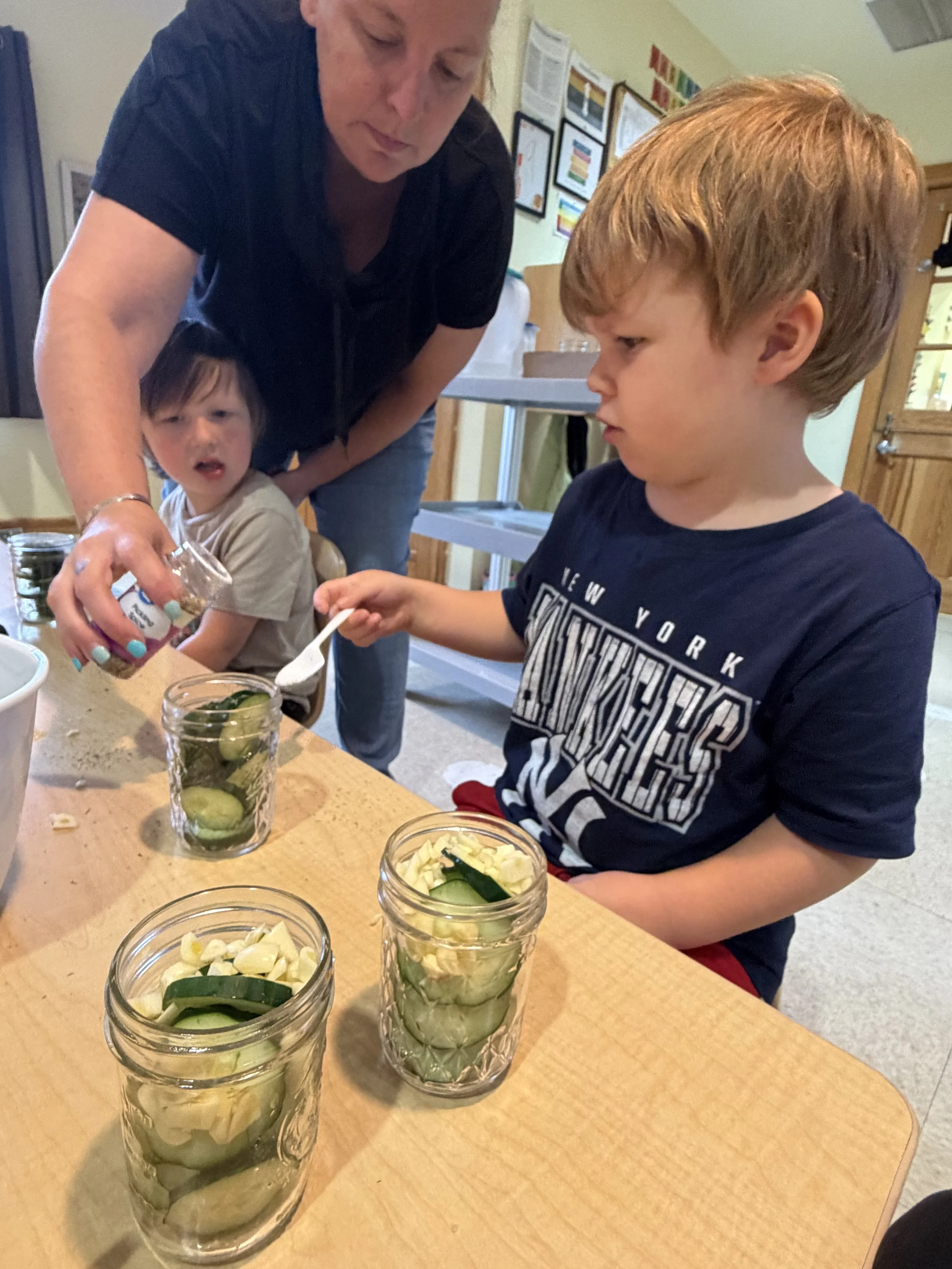
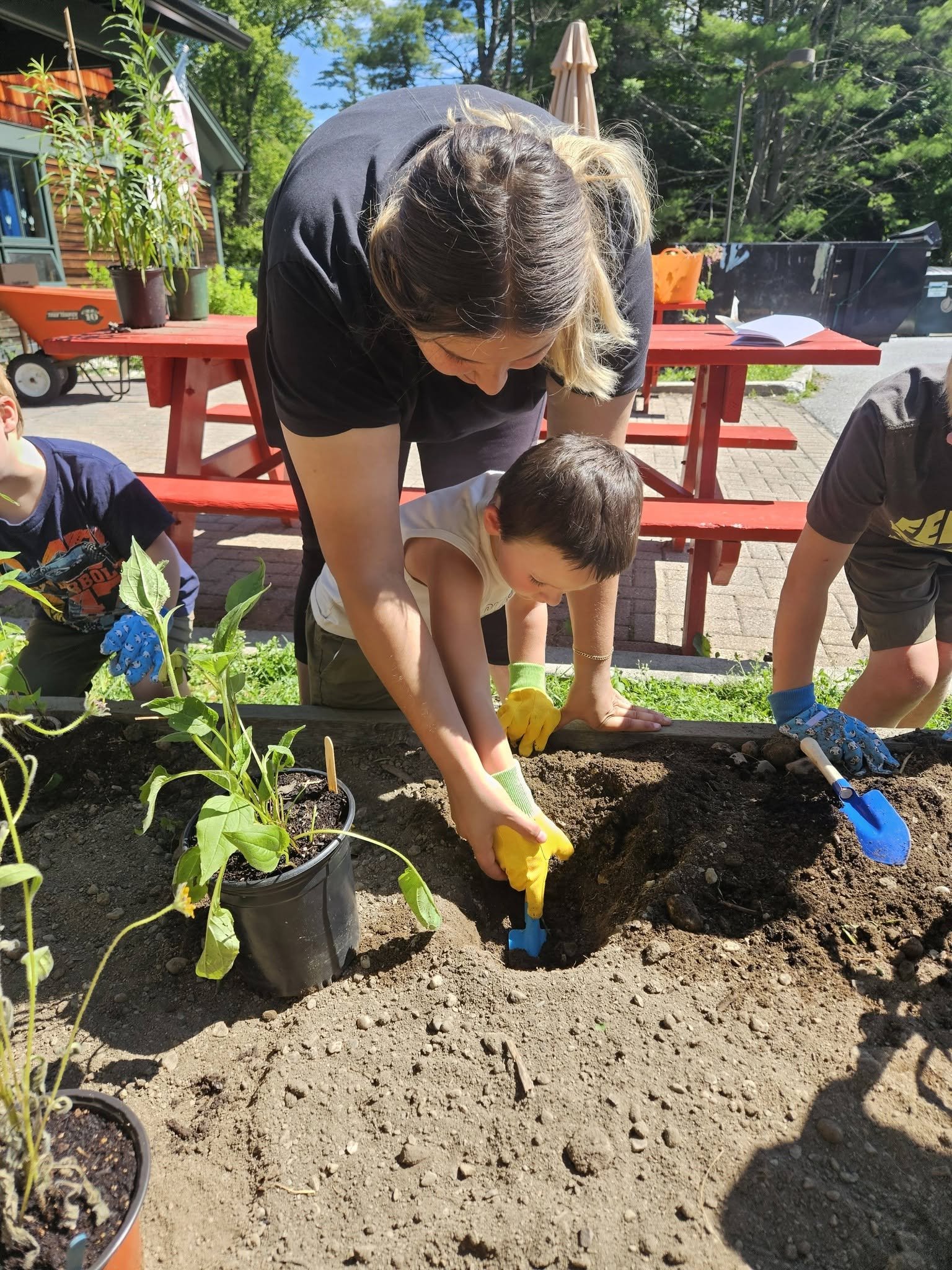
We Grow it
We Care for it
We Eat it
We Share it
We Teach it
We Grow it We Care for it We Eat it We Share it We Teach it
2025
New York
🌱 Rooted in Vermont. Growing Skills for Life.
At Arlington Area Childcare, we believe some of the most important lessons children can learn come from getting back to the basics—using their hands, caring for living things, understanding where their food comes from, spending time outdoors, sharing meals, solving real problems, and contributing to the community around them. Our educational practices are intentionally rooted in these everyday experiences. In true Vermont fashion, our children dig in the soil, plant and harvest gardens, care for chickens, collect eggs, prepare food, explore local ingredients, experience the changing seasons, and learn alongside the natural world. These aren't simply fun additions to our curriculum; they are the curriculum coming to life.
We are cultivating skills children can carry with them long after they leave our classrooms: independence, responsibility, resourcefulness, patience, curiosity, empathy, confidence, and an appreciation for food, land, animals, and community. Our teachers intentionally connect these authentic experiences to play-based learning and the Vermont Early Learning Standards, allowing academics and development to emerge naturally through real life. A garden becomes science and math. A recipe becomes literacy and problem-solving. Caring for a chicken builds empathy and responsibility. Sharing a meal builds connection and a sense of belonging.
What makes AACI unique is how close we bring children to the roots of learning itself. Childhood doesn't need to be complicated to be meaningful. We are creating an educational environment that honors the simple, valuable ways generations before us learned—by doing, growing, creating, caring, playing, and belonging. We pair those timeless experiences with today's best early childhood practices to give children something we believe is increasingly rare: an education deeply connected to real life and the skills they can carry for a lifetime.